HHS Awards “988 Day” Grants For Suicide Prevention
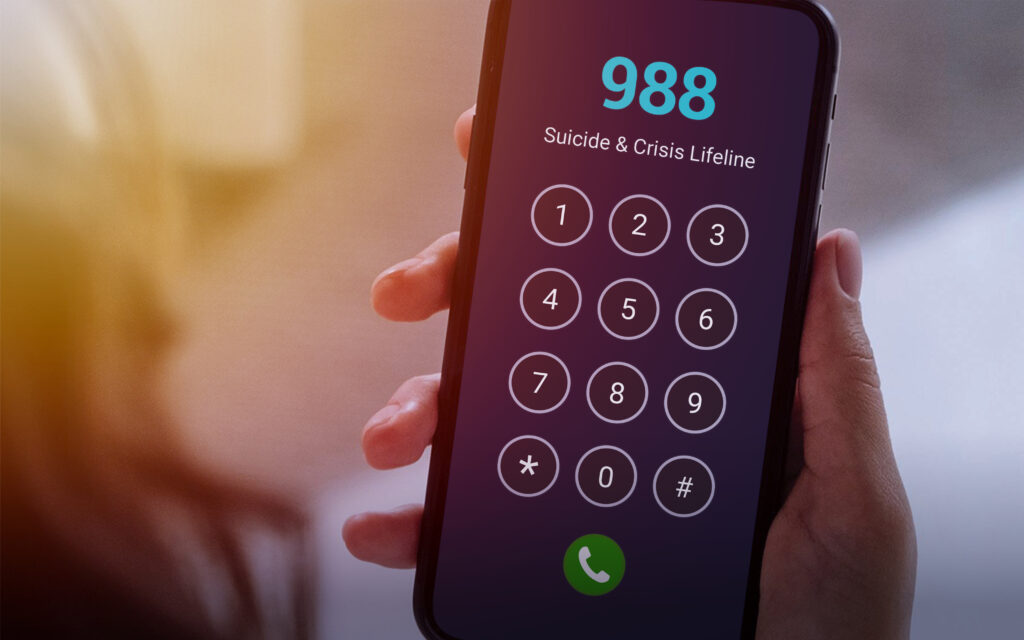
In 2023, the federal government launched the “988 Day” initiative, observed annually on September 8th, to bring awareness to the 988 Suicide & Crisis Lifeline and its related resources. This year, the U.S. Department of Health and Human Services (HHS) marked the occasion with the announcement of $383.4 million in new federal grant opportunities, $252 million of which are earmarked towards supporting the 988 Lifeline and other suicide prevention services. The grant awards will be administered through the Substance Abuse and Mental Health Services Administration (SAMHSA), and also include funding for broader mental health and substance use treatment services as seen below.
Suicide Prevention Services
- 988 State and Territory Local Capacity Building/Cooperative Agreements for States and Territories to Improve Local 988 Capacity ($205.8 million): This grant targets 988 call, chat, and text responses and aims to bolster services for high-risk populations.
- Behavioral Health Mobile Crisis Team Partnerships ($12.4 million): Improves capacity or establishes mobile and community-based crisis response for those experiencing mental health or substance use crises, which may often lead to suicide attempts.
Substance Use Treatment and Prevention
- Preventing Drug Overdoses: Community Prevention and Response (PDO) ($10.6 million): The PDO grant develops and implements community programs to expand access to opioid overdose reversal medications like Narcan.
- Grants to Expand Substance Use Disorder Treatment Capacity in Adult and Family Treatment Drug Courts ($7.4 million): Provides the existing drug courts with expansion funding for treatment and recovery services.
- Rural Opioid Technical Assistance Centers ($7.1 million): Funding to increase training and technical assistance in rural areas addressing high levels of opioid and stimulant use disorders.
- Residential Treatment for Pregnant and Postpartum Women ($6.1 million): Strengthens treatment programs for pregnant and postpartum women struggling with substance use disorders and recovery.
- Treatment and Recovery Services for Youth, Young Adults, and Families ($7 million): This grant supports children and young adults from ages 12–25 and their families by enhancing comprehensive recovery services and treatment.
- Emergency Department Alternatives to Opioids Program ($5.9 million): Provides support to develop opioid alternative pain management in hospitals and emergency rooms.
- Preventing Youth Overdose: Treatment, Recovery, Education, Awareness and Training ($2.6 million): Aims to increase youth awareness of fentanyl risks while offering substance use treatment and recovery services.
- Sober Truth on Preventing Underage Drinking Act Grants (STOP Act) ($2.1 million): Targets the prevention of alcohol use disorders in youth ages 12–20.
- Recovery Community Services Program – Statewide Network ($1.4 million): Will strengthen recovery organizations, statewide recovery networks, and health care systems to improve the delivery of recovery support services.
Mental and Behavioral Health Services
- National Child Traumatic Stress Initiative – Category II Treatment and Service Adaptation Centers (NCTSI-II) ($14.3 million): This grant helps build systems that will provide evidence-based treatment and other services by leveraging expertise for specific traumatic childhood events and population groups.
- Rural Emergency Medical Services Training ($13.4 million): This grant supports emergency medical services (EMS) improvements to assist behavioral health crises for individuals in rural areas.
- Promoting the Integration of Primary and Behavioral Healthcare ($12.8 million): Provides states with funding to better integrate physical and behavioral healthcare systems—which will improve overall care for those with mental health issues and co-occurring physical conditions.
- Trauma-Informed Services in Schools ($5.1 million): Aims to link local school districts with community trauma support and mental health services to ensure evidence-based mental health care.
- Behavioral Health Partnerships for Early Diversion of Adults and Youth ($5.8 million): Helps to develop programs that provide alternatives to arrest and incarceration for youth whose mental health or substance use disorders put them at high risk of criminal offending.
- Assertive Community Treatment (ACT) ($3.8 million): Supports ACT programs that serve youth and adults aged 18 or older with serious mental illnesses.
- Center of Excellence for Protected Health Information Related to Behavioral Health ($1 million): Offers training, technical assistance and educational resources on how to navigate on HIPAA, 42 CFR Part 2, and other healthcare privacy requirements.
- Statewide Family Network ($1.7 million): Increases the capacities of statewide mental health organizations to educate primary caregivers who are responsible for children and youth with intensive behavioral disorders.
Mental and Behavioral Health Services
In addition to the above, HHS also announced five grant programs aimed at supporting Native and Tribal communities in the United States.
- Support for 988 Tribal Response Cooperative Agreements ($19.9 million): Supports improvement to 988 responses for calls originating in Native communities.
- Tribal Behavioral Health: Suicide Prevention ($13.9 million): Targets suicide among Native youth through age 24 in Tribal communities.
- Tribal Behavioral Health Substance Use Prevention ($12.1 million): Offers additional prevention and harm reduction substance use resources and overdose supports among Native youth through community-driven services and partnerships.
- Tribal Opioid Response ($4.7 million): Works to address the opioid crisis in Tribal communities through greater access to overdose reversal medications as well as development of more robust treatment and prevention services.
- Circles of Care for American Indian/Alaska Natives ($6.5 million): This program supports planning and development of community-based systems of behavioral health care in Native communities.
Conclusion
This near year-end announcement involving the re-commitment to 988 services is an encouraging sign for a changing behavioral health landscape as “needs-based services” takes on a new meaning at the state and national policy level.
Industry News from CapGrow
View all
New Policy Threatens Community-Based Care for People with Disabilities

Five Million Americans Now Trained in Mental Health First Aid